Services / Commercial Kitchen Remediation
Commercial kitchen
remediation
to reopen.
A health department shutdown is not a cleaning problem. It is a remediation problem. We perform biohazard-grade top-to-bottom remediation with full before-and-after documentation for your re-inspection file. We come in. We remediate. We document. You open.
Open
This is not janitorial work
When a health inspector shuts down a food service establishment for severe violations including cockroach infestation, heavy grease accumulation, or pathogen contamination, the path to reopening requires biohazard-grade remediation. A standard cleaning company cannot do this. The health department will not pass a re-inspection based on standard cleaning. The documentation alone will fail.
Biohazard-grade remediation means: pest infestation treated as a pathogen contamination event, not just a hygiene issue. Grease is industrially degreased and removed, not wiped. Every food contact and non-food-contact surface is sanitised to commercial food-safety standards. And the entire process is documented with before-and-after records that the re-inspection officer can review.
We specialise in high-value commercial clients where downtime has direct and significant financial consequences. Branches of national food service chains, corporate cafeterias, hospital food facilities, and institutional kitchen operations receive priority scheduling, including outside standard business hours, to minimise the number of days the venue is closed.
Priority Data Services, Brisbane, QLD
01
Industrial
Degreasing
Years of baked-on grease in hoods, ducts, and behind line equipment is a fire hazard and a breeding environment for pest infestation. We use industrial-grade degreasers and pressure washing to lift accumulated grease from all affected surfaces. This is not a wipe-down. It is a full extraction.
Fire hazard removal
02
Biohazard
Sanitisation
Pest infestation carries pathogens. Cockroach droppings, shed casings, and contamination from infestation pathways require sanitisation with commercial-grade products, not standard surface cleaners. Every surface, food-contact and non-food-contact, is treated. The sanitisation process follows commercial food-safety standards.
Food-safety standard
03
Equipment and
Line Cleaning
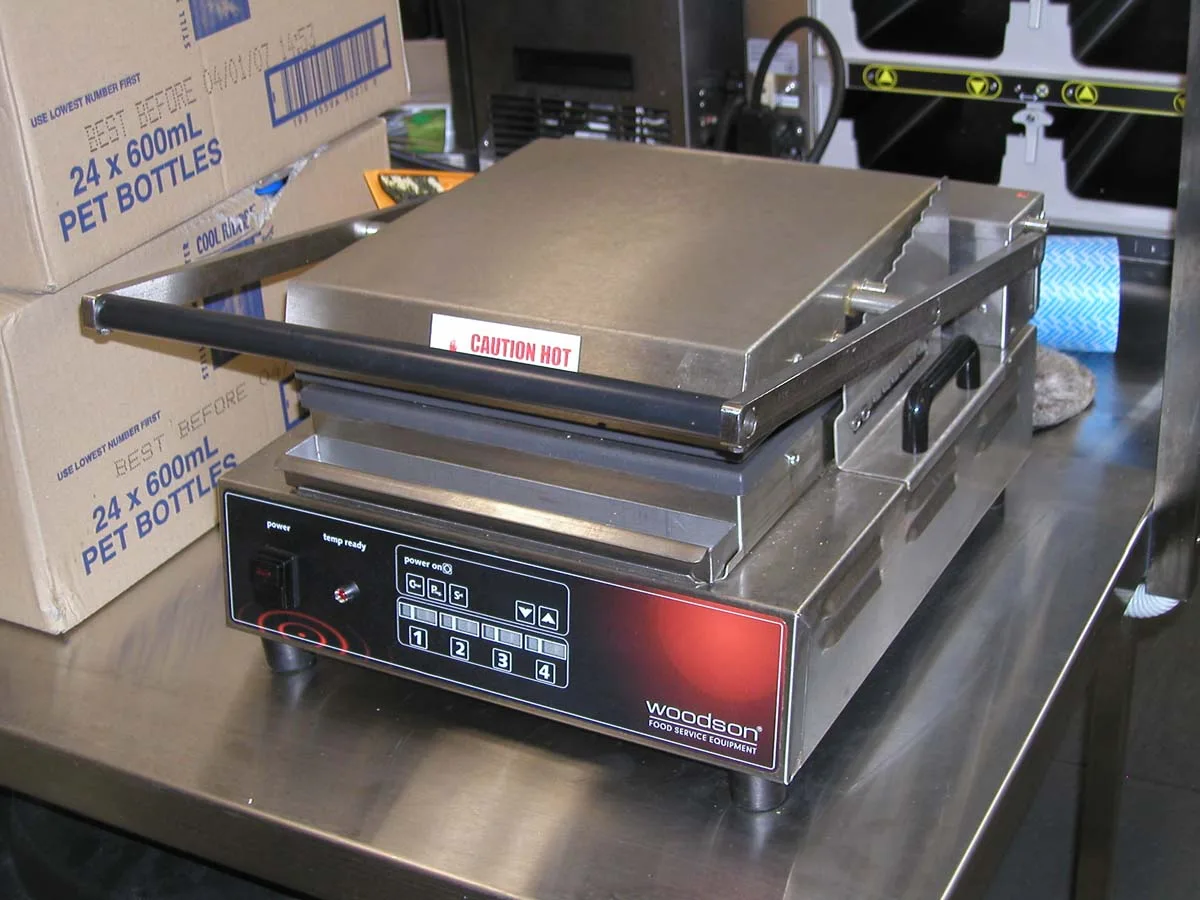
Behind, beneath, and inside line equipment. Fryers, grills, ovens, refrigeration units, and prep surfaces. Areas that are routinely inaccessible during standard daily cleaning are the primary contamination sites during a health department shutdown. We pull equipment to access and clean behind it.
Full access required
04
Before-and-After
Documentation
Photographic and written documentation of the facility before remediation begins and after completion. This documentation is structured for use in your re-inspection submission. It demonstrates to the health inspector what was found and what was done. Without it, the re-inspection is your word against the previous inspection record.
Re-inspection critical
01
Food Service
Chains and Franchises
National and regional food service chains where a closed branch affects revenue, brand reputation, and franchise agreements. Priority scheduling is available for chain operators who need to minimise closure duration across multiple affected sites.
Brand protection
02
Hospitals and
Healthcare Facilities
Hospital kitchen and food service facilities operate under heightened regulatory requirements. A shutdown in a hospital food service environment has direct patient care implications. We understand the urgency and the compliance requirements specific to healthcare food service.
Healthcare compliance
03
Corporate and
Institutional Catering
Corporate cafeterias, university food services, and institutional catering operations serving large employee or student populations. A shutdown affects staff welfare and contract obligations. We work with facility managers and catering contractors to restore operations as quickly as possible.
Contract continuity