PDS Priority Data Services Request a quote

Services / Technical Restoration

Technical restoration not replacement.

After a fire suppression discharge, flood, or severe contamination event, most equipment can be restored to operational condition. Restoration is faster, substantially cheaper, and causes less business disruption than replacing and reconfiguring hardware.

Do not dispose of restorable equipment

When a contamination incident occurs, the immediate instinct is often to write off affected equipment and order replacements. This is understandable under pressure, but it is frequently the wrong decision financially and operationally.

Most IT and electronic equipment that has been contaminated by fire suppression agent, flood water, construction dust, burst water pipes, or chemical spills can be restored to its previous operational condition. The restoration process removes the contamination from the equipment without further damage. The result is equipment that performs as it did before the incident.

Replacement involves lead times of weeks to months for some critical equipment, reconfiguration time, and costs that substantially exceed restoration. Restoration can usually begin within days of the incident and be completed in a fraction of the time it takes to procure and configure replacement hardware. Every engagement includes documented before-and-after records and sign-off by your authorised representative on completion.

Priority Data Services, Brisbane, QLD

Incidents we handle

Contamination events that result in equipment requiring specialist restoration.

01

Fire Suppression
Discharge

Gaseous and powder fire suppression system discharges coat equipment surfaces and penetrate into housings and circuit boards. This is one of the most common restoration scenarios we handle. The suppression agent itself is not always the primary damage source. The contamination it carries and distributes is. We remediate both the equipment and the facility.

Most common scenario
02

Flood and
Water Ingress

Burst water pipes, roof leaks, and plumbing failures introduce water and waterborne contamination into equipment. Speed of response is critical. We assess equipment on-site, document what is salvageable, and begin restoration as quickly as possible to minimise secondary damage from moisture retention.

Time critical
03

Construction
Dust Events

Gyprock and concrete dust from construction breaches coat equipment surfaces heavily and penetrate cooling systems. These events often occur when construction work adjacent to a live data centre is not adequately contained. Equipment is typically restorable, but the contamination load requires systematic processing.

Construction breach
04

Chemical and
Fire Incidents

Chemical spills, fire extinguisher discharge, and smoke contamination from fire events each present different restoration challenges. We assess the specific contaminant, determine appropriate restoration procedures, and document the process. Equipment is not treated as restorable until assessment confirms it. Where restoration is not possible, we document this clearly.

Incident specific
The restoration process

Assessment first. Documentation throughout. Sign-off at completion.

  1. A

    Incident Assessment

    On-site assessment of the contamination event. We identify what equipment is affected, the nature of the contamination, and what is restorable versus what requires disposal. This assessment is documented for insurance and management purposes.

  2. B

    Before Documentation

    Photographic and written documentation of the condition of all affected equipment before restoration begins. This before-record is essential for insurance claims and for demonstrating the restoration outcome at completion.

  3. C

    Restoration

    Systematic decontamination of all restorable equipment using appropriate specialist procedures for the specific contamination type. Equipment is processed individually, not in batches. Every item is treated to the same standard.

  4. D

    After Sign-Off

    After-documentation confirming the restoration outcome for each item. Your authorised representative inspects and signs off the completed work. The full before-and-after record is provided for your files, insurance, and asset management.

Before & after restoration

Drag to compare. Equipment recovered from fire suppression discharge and water ingress incidents.

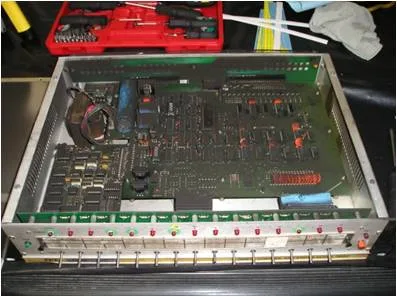
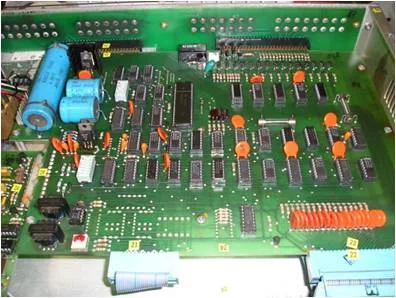
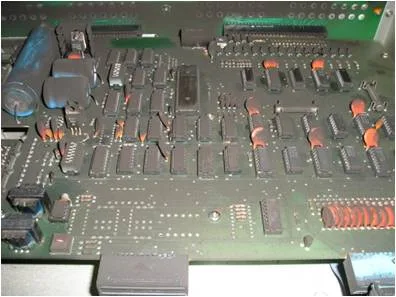
Server equipment after professional decontamination and technical restoration Server equipment heavily contaminated after fire suppression agent discharge Before After

Fire suppression discharge restoration

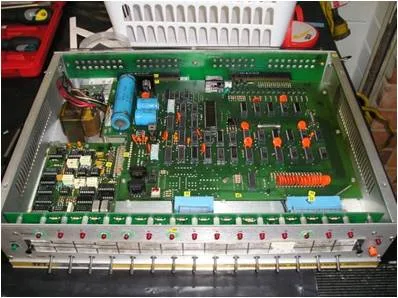
Rack equipment after professional contamination removal Rack-mounted equipment covered in fire suppression residue before cleaning Before After

Equipment restoration after incident

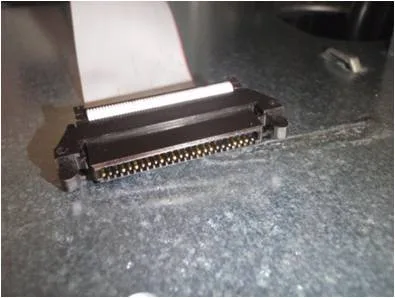
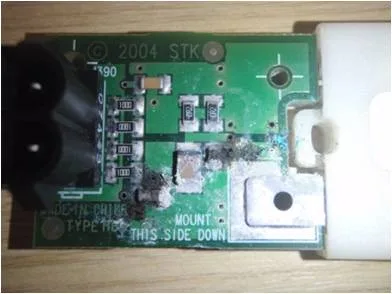
Electrical connectors after professional restoration and corrosion treatment Electrical connectors showing corrosion from water ingress before restoration Before After

Water damage recovery

Contamination incident?

Call Before You Dispose

Before writing off contaminated equipment, contact us. In most cases, restoration is possible and significantly less expensive than replacement. We will give you an honest assessment of what is recoverable.

Call: 0411 778 952

Frequently asked questions

What types of incidents do you respond to for technical restoration?

We respond to water ingress from burst pipes, roof leaks, and HVAC condensate failures; fire suppression system discharge including FM-200, CO2, and dry powder events; smoke and soot contamination from fires in or adjacent to data halls; and flood events involving subfloor water ingestion. Each incident type requires a different decontamination approach and we assess the specific contamination on site before beginning any restoration work.

How quickly can you respond after an incident?

We prioritise incident response calls and will advise you of our earliest available attendance during our initial phone conversation. Rapid response matters because corrosion from water and suppression agent residues begins within hours on exposed circuit boards and metallic components. The faster the contamination is addressed, the higher the recovery rate for affected equipment.

Can you restore equipment that has been exposed to fire suppression agent discharge?

Yes. FM-200 and similar clean agent systems leave a residue on surfaces that must be removed before equipment is returned to service. Dry powder systems are more severe and leave a fine corrosive powder that requires more intensive cleaning. CO2 discharge events typically leave less residue but create condensation and cold-shock risks. We assess and document the contamination type, clean all affected surfaces and internal assemblies, and provide a completion report confirming what was addressed.

Do you provide documentation suitable for insurance claims?

Yes. Our incident response reports include photographic evidence of contamination before and after restoration, a description of the decontamination work performed, an itemised record of all equipment assessed, and findings on the condition of each item. This documentation is formatted to support insurance claims, procurement decisions, and asset write-off assessments.

How do you decide whether equipment is restorable or should be written off?

We carry out a visual and functional assessment of each item during the restoration process. Equipment that shows corrosion on circuit board traces, damaged connector contacts, or physical warping from heat is flagged for your technical team to evaluate. We do not make procurement decisions on your behalf, but we will give you a clear written assessment of what we found so that your team or insurer can make an informed call on each asset.